Peripheral arterial disease
Introduction
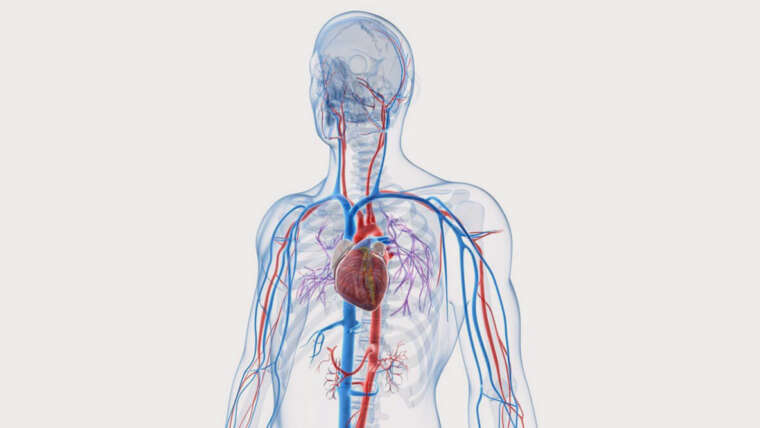
It is narrowing or hardening of peripheral arteries (except heart and inside brain) which includes arteries to hand, legs, neck, kidney, intestines….etc
A plaques building inside them obstructs flow of blood t this vital tissues leading symptoms like, Brain attack, Kidney attack, intestinal attack and leg attack limiting their activity and causing grievous problems like paralysis, abdominal pain, leg pain, gangrene, non-healing ulcers…etc
Peoples with PAD had 6-7 times increase risk of heart attack or stroke.
Symptoms
Peripheral artery disease is silent in its early stages but walking even short distance becomes painful for patients as it worsens. This pain is relieved by rest and reappears on walking. This cycle of walk-pain-rest-walk-pain-rest is first warning sign of arterial blockade and is called leg attack.
Other symptoms of disease as it progress in limbs
- Legs and foot become cold and numb
- Blue/black/red discoloration of fingers and toes
- Numbness, tingling or pain in arms, leg, foot or toes.
- Paleness of foot or leg on elevation
- Dry, fragile or shiny looking skin
- Wounds and ulcers refusing to heal
Symptoms of disease as it progress in Brain
- Sudden temporary weakness or numbness of face, arm and/or leg on one side of body
- Temporary loss of speech or trouble speaking or understanding speech
- Unexplained dizziness, unsteadiness or sudden fall
- Temporary dimness or loss of vision particularly in one eye.
Symptoms as it progress in intestine and kidney
- Abdominal pain especially after30-45min after food
- Decrease urine output
Important: An early diagnosis and treatment can prevent cutting leg of (amputation) and paralysis (brain stroke).
Risk factors
It is common disease mainly affect people above age 50yrs and occurs early in peoples with,
- Diabetes
- Smoking
- Eating food high in fats
- High blood pressure (hypertension)
- Age
- Hereditary
- Obesity
- Sedentary life habits
- Heart disease (Coronary artery disease)
- Stroke (Cerebro-vascular disease)
- Kidney disease with dialysis
Diagnosis
- Clinical examination
- Decreasing pulses in arms and legs
- Clinical examination of foot and palms
- Ankle brachial pressure Index (ABI)
- First test which compares blood pressures in legs to that in arms. If this is abnormal more testing is mandatory.
- Pulse Volume Recording (PVR)
- It tells about segmental pressures in legs and arms, estimate level of occlusion
- Color duplex scan
- It visualizes the artery with sound waves and measures the speed of blood flow through arteries which is altered in presence of blockage/plaque.
- CT Angiography/MR angiography
- It is X-ray of blood vessels which gives us idea about extent of blockage, stenosis and occlusion in body vessels in abdomen, pelvis, legs, arms, Selection of investigation differ with vessels involved.
- Digital Subtraction Angiography (DSA)
- It performed by doctor in Cathlab using dye and is selective vessels procedures to see inside vessels.
Treatment
- Life style modification
- If detected early this will prevent further damage and limits disease.
- Exercise – walk 30 min three times week improves symptoms
- Maintain blood sugar levels
- Control cholesterol
- Control blood pressures
- Quit smoking/tobacco
- Low fat and high fiber diet
- Maintain ideal body weight
- Medication
- Cholesterol lowering drugs
- Antiplatelets – blood thiners
- Anti hypertensives – control BP
- Angioplasty
- A long thin flexible tube is passed through puncture in arm or groin and plaques in vessels are dilated with help of special balloon. This creates way for blood to flow through vessels.
- Stenting
- Same like angioplasty except small metal meshed tube is placed across plaque prevents vessels from collapse and maintain flow. Stent remains permanently in artery.
- Bypass and allied procedures
- This are performed under anesthesia. In this blockage of arteries is bypassed using alternate conduit like vein or tubes attached above and below blocked tube creating new path for blood to flow.
- Some time combine with procedures like
- Thrombectomy – Removal of Clot through incision in vessels
- Endarterectomy – Removal of Plaque through incision in vessels.

2 Comments
Martin Moore
there are many medical advisors and doctors that do not communicate with their patients. luckily for us we have found this amazing website!
Miki Williams
I liked working with the support team – they know everything about their products and are simply great!